HomeFit AtlasWorkouts that fit the room

small-space

Small-Space Workout Plans

Train in apartments, bedrooms, hotel rooms, and shared spaces by swapping jumps for quiet steps and shortening floor patterns when the room is tight.

Choose one path

Use The Hub As A Selector

Pick by footprint

Choose the page that fits the actual floor path before choosing intensity.

Stay standing when needed

Use standing exercise pages when getting to the floor would create more setup than training.

Build a small-room week

Use a program when the reader needs a repeatable room layout across several days.

Solve the room first

Use layout guidance when furniture, mat angle, or floor noise is the real blocker.

Best first clicks

20-Minute Small-Space Strength Circuit, Standing Knee Raise, Four-Week Small-Space Strength Base keep small-room choices practical instead of pretending every move fits.

20-Minute Small-Space Strength CircuitStart here when the room is tight but a full workout still fits.Standing Knee RaiseUse this when the safest first step is a compact standing movement.Four-Week Small-Space Strength BaseUse this when small-room training needs a weekly rhythm.Small Room Workout LayoutUse this when furniture, floor path, and mat placement are the blockers.How to Choose Low-Impact Home WorkoutsUse this when quiet movement matters as much as footprint.Workout FinderUse this when space, equipment, level, and time all need filtering.

Decision guide

Use This Page When It Fits Today

Best for

Small-Space Workout Plans fits readers who know this topic is the main constraint but have not chosen the exact page yet.

Do this first

Scan the six first-click options, choose the one that matches today's room and equipment, and stop comparing once one path fits.

Avoid if

Do not use this hub when the reader already needs a timed workout or when multiple filters must be true at once.

Next step

Open the most specific entry below, or use the finder if time, equipment, impact, and space all matter together.

What this hub is for

Small-Space Workout Plans helps readers narrow the home-training problem before choosing a session. Use this hub when the main constraint is train in apartments, bedrooms, hotel rooms, and shared spaces by swapping jumps for quiet steps and shortening floor patterns when the room is tight.

  • Use the simplest small space page when the choice feels crowded.
  • Move to No Equipment if the current constraint is no longer the limiting factor.
  • Return to the finder when time, equipment, or noise matters more than topic browsing.
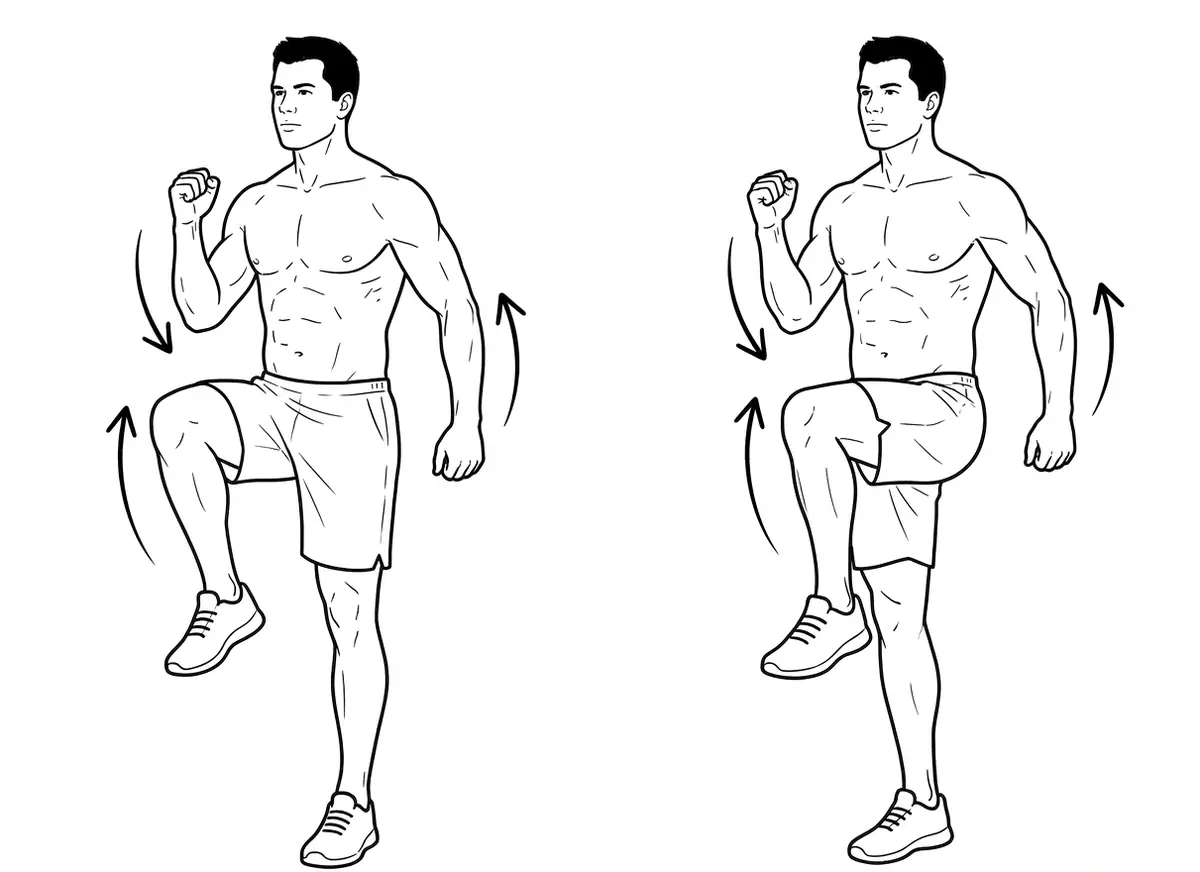
Illustration of a standing knee raise exercise.
Line-art adult raising one knee while standing upright.

Choose next by constraint

If This Page Almost Fits

Real-world check

Field Notes

Write the hub row opened from Small-Space Workout Plans, the constraint it solved, and the page that should be easier to find next time.

Use it when

Small-Space Workout Plans works as a sorting page when the reader already knows the broad constraint but still needs a narrower page choice.

Start here

Use the hub by picking one row that matches today's limit, then compare it with 20-Minute Small-Space Strength Circuit only if the first row feels off.

Make it fit

If the hub feels broad, ignore novelty and choose the page whose description names the clearest time, space, equipment, or impact limit.

Stop signal

Stop scanning the hub when two rows look similar; open the simpler one and let its next-step links do the filtering.

Compare before switching

Small-Space Workout Plans vs 20-Minute Small-Space Strength Circuit

Choose this page when

Small-Space Workout Plans fits readers who know this topic is the main constraint but have not chosen the exact page yet.

Choose the alternative when

Choose 20-Minute Small-Space Strength Circuit when the reader needs a narrower, easier, quieter, or more specific next step before returning to Small-Space Workout Plans.

20-Minute Small-Space Strength Circuit

Small-Space Workout Plans is better when the reader wants the full decision on this page, including setup, pacing, next step, and the reason it fits today.

Reader questions

FAQ

When should I use Small-Space Workout Plans?

Use Small-Space Workout Plans when the page's main constraint matches the reader's real blocker today: space, time, equipment, impact, or planning uncertainty.

What should I do first on Small-Space Workout Plans?

Scan the six first-click options, choose the one that matches today's room and equipment, and stop comparing once one path fits. Keep the first action small enough to finish today, then use the next link only if it answers the same constraint.

When is Small-Space Workout Plans the wrong page?

Do not use this hub when the reader already needs a timed workout or when multiple filters must be true at once. The goal is to remove a blocker, not add another broad page to compare.

Where should I go after Small-Space Workout Plans?

Open the most specific entry below, or use the finder if time, equipment, impact, and space all matter together. Choose one concrete workout, exercise, program, or finder state instead of opening several unrelated pages.

Source And Editorial Boundary

What the source informs: Small-Space Workout Plans uses Physical Activity Guidelines for Americans for the public fitness or search-quality boundary behind the page, not an individualized prescription.

What HomeFit Atlas decides: Small-Space Workout Plans practical route is what HomeFit Atlas decides: Small-Space Workout Plans succeeds when the reader chooses one specific page from the selector instead of scanning the whole directory., Small-Space Workout Plans fails when it becomes a long browse instead of a selector for the reader's current constraint., and 20-Minute Small-Space Strength Circuit.

General adult education only. Stop if a movement feels sharp, unusual, or unsafe and ask a qualified professional when unsure.

Small-Space Workout Plans Pages

Choose one page that matches the constraint in front of you.

Wall Push-UpWall Push-Up starts with two slow reps; open 20-Minute Beginner Bodyweight Strength only if the cue still holds.exerciseIncline Counter Push-UpIncline Counter Push-Up needs its setup checked first; use 22-Minute Small-Room Upper Body when the room and equipment feel stable.exerciseKneeling Push-UpKneeling Push-Up should use the easiest range today, then move into 20-Minute Quiet Bodyweight Strength after one clean practice set.exerciseStandard Push-UpStandard Push-Up should stop after two reps if the cue disappears; otherwise move to the related workout.exerciseSlow Bodyweight SquatSlow Bodyweight Squat pairs with a simple workout only after the surface, support, and breathing feel repeatable.exerciseBox Squat to ChairBox Squat to Chair starts with two slow reps; open 12-Minute Chair-Optional Starter Strength only if the cue still holds.exerciseReverse LungeReverse Lunge needs its setup checked first; use 30-Minute Beginner Full-Body Strength when the room and equipment feel stable.exerciseSplit SquatSplit Squat should use the easiest range today, then move into 12-Minute Chair-Optional Starter Strength after one clean practice set.exerciseGlute BridgeGlute Bridge should stop after two reps if the cue disappears; otherwise move to the related workout.exerciseMarching Glute BridgeMarching Glute Bridge pairs with a simple workout only after the surface, support, and breathing feel repeatable.exerciseDead BugDead Bug starts with two slow reps; open 35-Minute Kettlebell Full-Body Builder only if the cue still holds.exerciseBird DogBird Dog needs its setup checked first; use 25-Minute Hotel Mobility and Core when the room and equipment feel stable.exerciseFront PlankFront Plank should use the easiest range today, then move into 30-Minute Quiet Evening Workout after one clean practice set.exerciseSide PlankSide Plank should stop after two reps if the cue disappears; otherwise move to the related workout.exerciseShoulder Tap PlankShoulder Tap Plank pairs with a simple workout only after the surface, support, and breathing feel repeatable.exerciseSlow Mountain ClimberSlow Mountain Climber starts with two slow reps; open 12-Minute Small-Room Energy Break only if the cue still holds.exerciseStanding Knee RaiseStanding Knee Raise needs its setup checked first; use 30-Minute Kettlebell Conditioning when the room and equipment feel stable.exerciseStep JackStep Jack should use the easiest range today, then move into 20-Minute Hotel Room Cardio after one clean practice set.exerciseLow-Impact JackLow-Impact Jack should stop after two reps if the cue disappears; otherwise move to the related workout.exerciseHigh Knees MarchHigh Knees March pairs with a simple workout only after the surface, support, and breathing feel repeatable.exerciseCalf RaiseCalf Raise starts with two slow reps; open 18-Minute Small-Room Lower Body only if the cue still holds.exerciseWall SitWall Sit needs its setup checked first; use 30-Minute Band and Bodyweight Strength when the room and equipment feel stable.exerciseHip Hinge DrillHip Hinge Drill should use the easiest range today, then move into 18-Minute Small-Room Lower Body after one clean practice set.exerciseBodyweight Good MorningBodyweight Good Morning should stop after two reps if the cue disappears; otherwise move to the related workout.exerciseSingle-Leg ReachSingle-Leg Reach pairs with a simple workout only after the surface, support, and breathing feel repeatable.exerciseSuperman HoldSuperman Hold starts with two slow reps; open 25-Minute Plank and Posterior Chain Builder only if the cue still holds.exerciseProne Y RaiseProne Y Raise needs its setup checked first; use 25-Minute Plank and Posterior Chain Builder when the room and equipment feel stable.exerciseScapular Push-UpScapular Push-Up should use the easiest range today, then move into 15-Minute Beginner Push-Pull-Legs after one clean practice set.exercisePike Push-UpPike Push-Up should stop after two reps if the cue disappears; otherwise move to the related workout.exerciseTriceps Bench DipTriceps Bench Dip pairs with a simple workout only after the surface, support, and breathing feel repeatable.exerciseChair Sit-to-StandChair Sit-to-Stand starts with two slow reps; open 12-Minute Chair-Optional Starter Strength only if the cue still holds.exerciseStep-UpStep-Up needs its setup checked first; use 30-Minute Step and Bodyweight Workout when the room and equipment feel stable.exerciseBear Crawl HoldBear Crawl Hold pairs with a simple workout only after the surface, support, and breathing feel repeatable.exerciseHollow Body HoldHollow Body Hold starts with two slow reps; open 20-Minute Dumbbell Arm and Core Circuit only if the cue still holds.exerciseCrunchCrunch needs its setup checked first; use 20-Minute Band Glute and Core Circuit when the room and equipment feel stable.exerciseReverse CrunchReverse Crunch should use the easiest range today, then move into 30-Minute Core Strength Progression after one clean practice set.exercise