Exercise
Bird Dog
Bird Dog setup, cues, common mistakes, modifications, and home-workout progressions for core control.
Learn the move
Setup In 3 Steps
Bird Dog is a beginner home exercise for core control. It fits small space and usually uses mat. The useful check is whether you can keep reach long without rotating the torso.
- Place mat where it will not shift, then rehearse the smallest useful range for bird dog.
- Do the first two reps slowly enough that you can pause and check this cue: Reach long without rotating the torso.
- Practice for 4 minutes with Bird Dog + Easy breathing reset. Use low reps and stop each set while the cue still looks clean.
Place mat where it will not shift, then rehearse the smallest useful range for bird dog.
Progress bird dog by changing only one variable at a time: reps, hold time, range, or load.
Rushing bird dog before the mat setup is steady.
Bird Dog + Easy breathing reset. Use low reps and stop each set while the cue still looks clean.
Bird Dog + Low-Impact Jack. Pair with a different pattern so one area is not rushed.
Single-Leg Reach + Bird Dog. Place the move after a warm-up and before fatigue makes the cue harder to read.
Use It Today
Start with 2 sets of 6 slow reps or 20 seconds of controlled practice. Then pair it with Bird Dog + Low-Impact Jack for 6 minutes if the cue stays clean.
Adjust The Session
Decision guide
Use This Page When It Fits Today
Bird Dog fits a reader who wants one clean movement cue before placing the exercise inside a complete home workout.
Practice two slow reps, then check whether the page cue still holds: Reach long without rotating the torso.
Skip this exercise today if the room, support surface, or equipment setup makes the first two reps feel unstable.
Open 25-Minute Hotel Mobility and Core when the cue is clear enough to repeat under light fatigue.
Practical brief
Use This Page In Practice
Bird Dog fits a reader who wants one clean movement cue before placing the exercise inside a complete home workout.
Place mat where it will not shift, then rehearse the smallest useful range for bird dog. Practice two slow reps, then keep this cue visible: Reach long without rotating the torso.
Rushing bird dog before the mat setup is steady. Adding speed before this cue can be repeated: Reach long without rotating the torso. Using bird dog in small space when a simpler core control move would fit better.
Shorten the range of motion for bird dog before changing the exercise. Use slower tempo and fewer reps when low or quiet impact feels too demanding. Progress bird dog by changing only one variable at a time: reps, hold time, range, or load.
Use this workout when Bird Dog is controlled enough to repeat under light fatigue.
25-Minute Hotel Mobility and CoreBird Dog fails today when the first two reps need extra floor room, support, or gear adjustment before the cue can be repeated.
25-Minute Hotel Mobility and CoreUse this when Bird Dog needs a simpler setup before adding reps, range, speed, or load.
Dead BugBest For
Understand how to set up bird dog at home and decide whether it fits today's level, space, and equipment.
Before You Start
Start bird dog only after the room gives you enough space for the setup and an easy exit from the rep.
Real-world check
Field Notes
Write the version of Bird Dog that stayed clean, the cue that helped, and which workout link should contain it.
Bird Dog belongs in the session when the reader can practice the setup slowly enough to keep the main cue visible.
Start with Bird Dog in short practice sets, then use Bird Dog only if the first cue stays steady.
If the movement feels unclear, do not add reps; use this simpler version first: Shorten the range of motion for bird dog before changing the exercise.
Stop the set when this mistake shows up: Rushing bird dog before the mat setup is steady. The cleaner choice is a shorter practice round.
After You Finish
Repeat the same version when the main cue is still hard to keep for every rep.
Progress bird dog by changing only one variable at a time: reps, hold time, range, or load.
Swap exercises when the setup keeps breaking the main cue. Use slower tempo and fewer reps when low or quiet impact feels too demanding.
Log one line: A reader adds bird dog to a core control workout, starts with the easiest version, and opens the related workout before increasing time.
First two reps
Use the first two reps of bird dog as a test, not a workout. Stop if the cue becomes unclear.
Poor fit today
Pick a nearby beginner exercise when balance, surface, or equipment setup takes more attention than the movement itself.
Specific home use case
Bird Dog is most useful in a weekend room with more time but limited focus when late-day energy makes core control feel uncertain before the workout starts.
Exact failure point
Leave bird dog for an easier page if the mat setup or small space breaks the cue before rep three.
Best replacement route
Bird Dog should change through the movement-setup route when the cue disappears: keep the same training goal, lower the setup demand, and return only after the cue is visible again.
Home fit check
Bird Dog is a better choice when mat is already available, small space is realistic, and low or quiet impact will not create extra friction.
How to place it in a session
Use bird dog after an easy warm-up and before the hardest block of the workout. It pairs with low-impact jack when the day needs another pattern.
Easiest version
Bird Dog gets easier by keeping the same cue with less range, less speed, or more support.
Skip condition
Skip bird dog today if the setup needs more room than small, the equipment is not ready, or the first two reps make the main cue disappear.
Workout handoff
Move from bird dog to a complete workout only after the first cue can be repeated without extra room changes.
Real home scenario
Bird Dog scenario: A reader is standing in a small room before a workout and is unsure whether bird dog will stay controlled. The page is useful if two slow practice reps make the cue clearer before the timer starts.
Best first version
Bird Dog should start with the easiest version that still matches the page promise. If setup takes longer than the first work block, reduce equipment, range, or duration before changing the whole plan.
What this page helps you choose
Bird Dog helps you see whether the current home constraint is realistic today. It should make the next action smaller: start the first block, practice the first movement, repeat the first week, or switch to a more realistic related page.
How to make it easier
Bird Dog gets easier by changing one lever first: shorter time, smaller range, lower impact, lighter equipment, or more rest. Changing one lever keeps the result readable and makes the next repeat easier to judge.
Next-page logic
Bird Dog next step: Bird Dog needs its setup checked first; use 25-Minute Hotel Mobility and Core when the room and equipment feel stable. The related links point to the next practical choice, so the next click moves from choice to action without opening several unrelated pages.
Compare before switching
Bird Dog vs 25-Minute Hotel Mobility and Core
Bird Dog fits a reader who wants one clean movement cue before placing the exercise inside a complete home workout.
Choose 25-Minute Hotel Mobility and Core when the reader needs a narrower, easier, quieter, or more specific next step before returning to Bird Dog.
25-Minute Hotel Mobility and CoreBird Dog is better when the reader wants the full decision on this page, including setup, pacing, next step, and the reason it fits today.
Reader questions
FAQ
The easiest version of Bird Dog is the one where the main cue stays visible for every rep: Reach long without rotating the torso. Shorten the range, slow the tempo, or use support before adding more reps.
Avoid rushing the setup before the first two reps. If the room, surface, or equipment is not steady, the page is no longer helping and a simpler movement is the better choice.
25-Minute Hotel Mobility and Core is the best next page when Bird Dog feels controlled enough to use inside a timed session.
Skip Bird Dog when the first two reps make the cue disappear or when the space is too crowded to repeat the movement without adjusting mid-set.
Source And Safety Notes
What the source informs: Bird Dog uses ACE Exercise Library for movement setup and cue limits, especially the difference between a practice rep and a loaded workout set.
How this page uses that: Bird Dog is where HomeFit Atlas sets the home-use cue, Bird Dog succeeds when two slow practice reps keep this cue visible: Reach long without rotating the torso., the skip condition, and the better next page 25-Minute Hotel Mobility and Core.
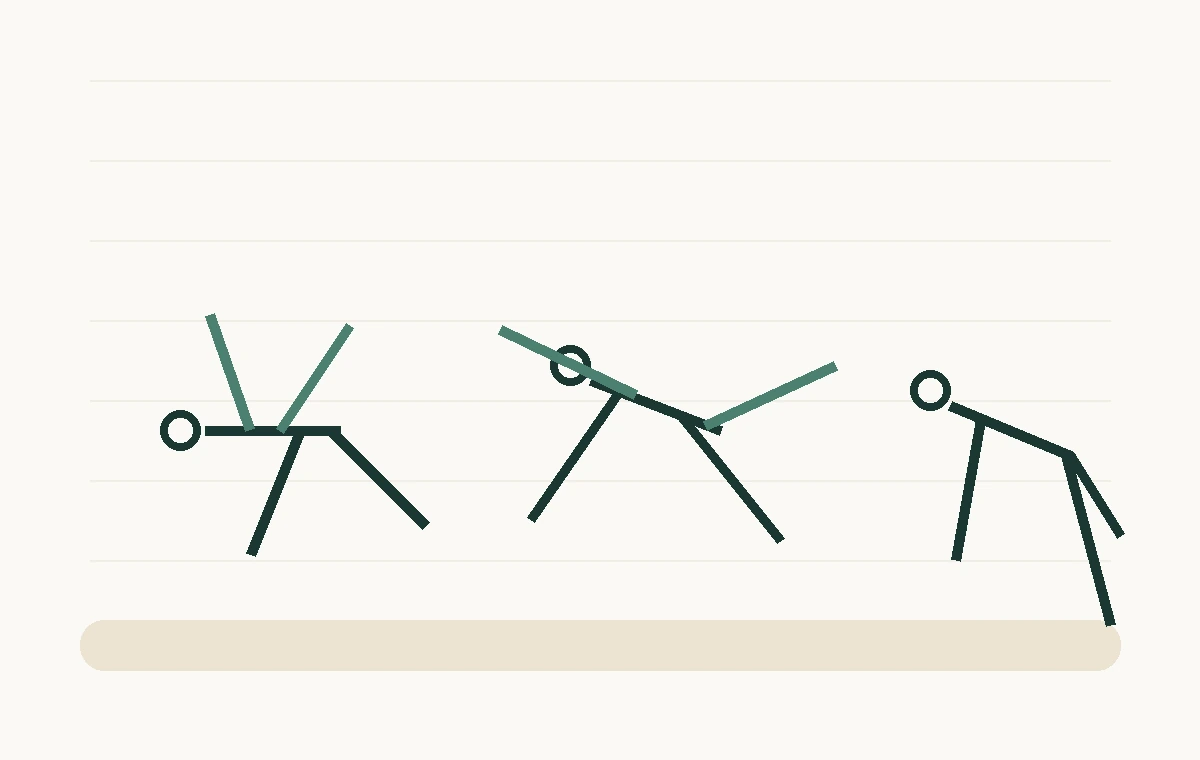
Image fit: close. The local line art shows the core-control floor pattern used by this exercise family.
General adult education only. Stop if a movement feels sharp, unusual, or unsafe and ask a qualified professional when unsure.