Exercise
Wall Push-Up Exercise: Beginner How-To, Setup and Progression
How to do a wall push-up with beginner setup cues, chest-height hand placement, body-line checks, easier versions, progression decisions, and conservative safety notes.
Learn the move
Setup In 3 Steps
To do a wall push-up, stand facing a wall, place both hands on the wall at chest height, step back until your body forms a straight line from shoulders to heels, bend elbows to bring your chest toward the wall, then push the wall away until your arms are straight again.
- Clear the floor path and choose the easiest version before adding speed or load.
- Do the first two reps slowly enough that you can pause and check this cue: Keep a straight line from shoulders to heels while the elbows bend and straighten.
- Practice for 2 minutes with Wall distance + Hands at chest height + Straight body line. Make the wall, feet, and hand position steady before counting reps.
Clear the floor path and choose the easiest version before adding speed or load.
A clean wall push-up finishes with the same body line, steady hands at chest height, and no need to move the feet between reps.
Starting too far from the wall before hands, feet, and body line are steady.
Wall distance + Hands at chest height + Straight body line. Make the wall, feet, and hand position steady before counting reps.
Wall Push-Up + Easy breathing reset. Use slow reps and stop while the body line still looks the same as the first rep.
Repeat wall push-up + Incline counter push-up. Repeat the wall version if the cue changes; try the incline version only when wall reps stay controlled.
Use It Today
Start with 2 sets of 6 slow reps or 20 seconds of controlled practice. Then pair it with Wall Push-Up + Easy breathing reset for 4 minutes if the cue stays clean.
Adjust The Session
Decision guide
Use This Page When It Fits Today
Wall Push-Up fits a reader who wants one clean movement cue before placing the exercise inside a complete home workout.
Practice two slow reps, then check whether the page cue still holds: Keep a straight line from shoulders to heels.
Skip this exercise today if the room, support surface, or equipment setup makes the first two reps feel unstable.
Use 20-Minute Beginner Bodyweight Strength when the cue is clear enough to repeat under light fatigue.
Practical brief
Use This Page In Practice
Wall Push-Up fits a reader who wants one clean movement cue before placing the exercise inside a complete home workout.
To do a wall push-up, stand facing a wall, place both hands on the wall at chest height, step back until your body forms a straight line from shoulders to heels, bend elbows to bring your chest toward the wall, then push the wall away until your arms are straight again. Practice two slow reps, then keep this cue visible: Keep a straight line from shoulders to heels while the elbows bend and straighten.
Starting too far from the wall before hands, feet, and body line are steady. Letting hips sag or shoulders shrug instead of keeping a straight line from shoulders to heels. Rushing into incline or floor push-ups before slow wall push-ups stay repeatable.
Stand closer to the wall or shorten the elbow bend when the first reps feel too demanding. Use fewer reps and a slower tempo before adding range, speed, or a harder angle. Progression decision: repeat wall push-ups until two slow sets stay steady, then step slightly farther from the wall or try an incline counter push-up; do not change distance and volume at the same time.
Use this workout after wall push-ups stay steady enough to repeat under light fatigue.
Beginner Bodyweight StrengthWall Push-Up fails today when the first two reps need extra floor room, support, or gear adjustment before the cue can be repeated.
20-Minute Beginner Bodyweight StrengthUse this when the wall version stays controlled and the next step should be a slightly lower hand position.
Incline Counter Push-UpBest For
Learn how to do a beginner wall push-up at home, check whether the wall setup fits today, and choose the next progression only after the cue stays repeatable.
Before You Start
Use a stable wall, clear the floor behind you, and wear shoes or stand barefoot only if you can keep traction. Start close enough that two slow practice reps feel easy, then step back only when the cue stays clear.
Real-world check
Field Notes
Write the version of Wall Push-Up Exercise: Beginner How-To, Setup and Progression that stayed clean, the cue that helped, and which workout link should contain it.
Wall Push-Up Exercise: Beginner How-To, Setup and Progression belongs in the session when the reader can practice the setup slowly enough to keep the main cue visible.
Start with Wall distance in short practice sets, then use Wall Push-Up only if the first cue stays steady.
If the movement feels unclear, do not add reps; use this simpler version first: Stand closer to the wall or shorten the elbow bend when the first reps feel too demanding.
Stop the set when this mistake shows up: Starting too far from the wall before hands, feet, and body line are steady. The cleaner choice is a shorter practice round.
After You Finish
Repeat the same version when the main cue is still hard to keep for every rep.
Progression decision: repeat wall push-ups until two slow sets stay steady, then step slightly farther from the wall or try an incline counter push-up; do not change distance and volume at the same time.
Swap exercises when the setup keeps breaking the main cue. Use fewer reps and a slower tempo before adding range, speed, or a harder angle.
Log one line: A beginner wants an upper-body exercise that does not require floor push-ups. They test wall distance, hand height, and body line first, then decide whether to repeat wall push-ups or move to a low incline later.
Beginner wall-push-up setup checklist
Stand facing a wall. Put hands on the wall at chest height and about shoulder width. Step both feet back until the body forms a straight line from shoulders to heels. Keep ribs and hips from sagging, bend elbows slowly, bring the chest toward the wall, then push the wall away without shrugging.
Clean rep check
A clean wall push-up finishes with the same body line, steady hands at chest height, and no need to move the feet between reps.
Common setup mistakes
Do not place hands too high, lean only from the shoulders, let the hips sag, bounce off the wall, or step so far back that the first rep turns into a strain.
Progression decision
Progress only after two sets of slow wall push-ups feel controlled. Step the feet slightly farther from the wall or move to an incline counter push-up, but change only one variable at a time.
When to choose another move
Choose a smaller range, stand closer to the wall, or stop for the day when the wall, floor, wrist position, shoulder position, or body line does not feel repeatable.
Workout handoff
Use wall push-ups before a beginner bodyweight workout when the setup stays steady. If the cue changes under light fatigue, keep this as practice rather than turning it into a timed workout block.
Compare before switching
Wall Push-Up vs 20-Minute Beginner Bodyweight Strength
Wall Push-Up fits a reader who wants one clean movement cue before placing the exercise inside a complete home workout.
Choose 20-Minute Beginner Bodyweight Strength when the reader needs a narrower, easier, quieter, or more specific next step before returning to Wall Push-Up.
20-Minute Beginner Bodyweight StrengthWall Push-Up is better when the reader wants the full decision on this page, including setup, pacing, next step, and the reason it fits today.
Reader questions
FAQ
The easiest version of Wall Push-Up is the one where the main cue stays visible for every rep: Keep a straight line from shoulders to heels. Shorten the range, slow the tempo, or use support before adding more reps.
Avoid rushing the setup before the first two reps. If the room, surface, or equipment is not steady, the page is no longer helping and a simpler movement is the better choice.
20-Minute Beginner Bodyweight Strength is the best next page when Wall Push-Up feels controlled enough to use inside a timed session.
Skip Wall Push-Up when the first two reps make the cue disappear or when the space is too crowded to repeat the movement without adjusting mid-set.
Source And Safety Notes
What the source informs: Wall Push-Up uses the ACE Exercise Library for movement setup and cue boundaries, especially the difference between a practice rep and a workout set.
What HomeFit Atlas decides: Wall Push-Up helps the reader answer one practical question: can two slow reps keep the body line, hand height, wall contact, and room setup steady enough to continue?
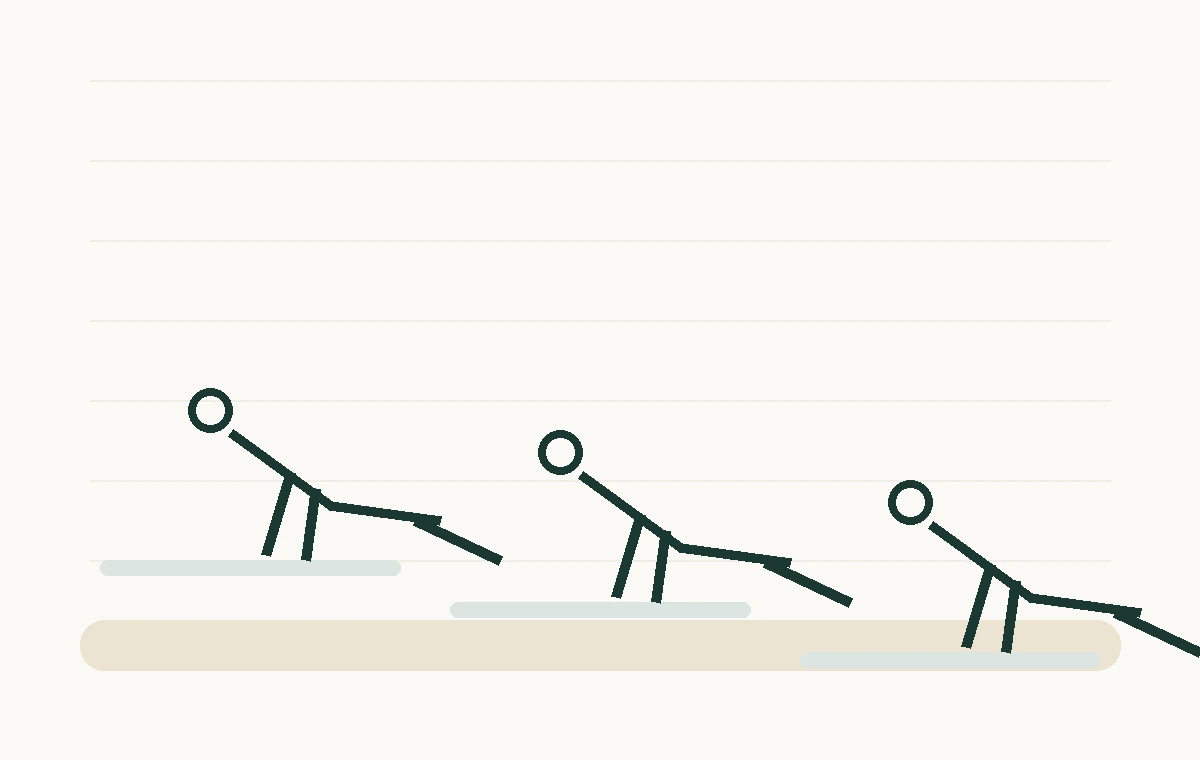
Image fit: close. The local line art shows the supported and floor push-up body lines used by this exercise family.
General adult education only. Stop if pain feels sharp, unusual, or unsafe, if the wall or floor does not feel stable, or if symptoms or personal medical questions are involved; ask a qualified professional when unsure.