Workout
20-Minute Wall and Floor Strength
20-Minute Wall and Floor Strength is a 20-minute beginner strength workout for small spaces using wall or mat, with clear blocks and substitutions.
Do this first
Start This Workout
20-Minute Wall and Floor Strength is best for readers who want wall sits, wall push-ups, and mat core. It uses wall or mat in small spaces with low or quiet impact. Keep the first round easy enough to repeat with clean breathing.
- Standing knee raise30 seconds easy pace, then move to the next drill.
- Step jack30 seconds easy pace, then move to the next drill.
- Hip hinge drill30 seconds easy pace, then move to the next drill.
Move at conversation pace and keep the room quiet if needed.
- Slow Bodyweight Squat40 seconds work, 20 seconds rest.
- Wall Push-Up8 controlled reps, then 20 seconds rest.
- Glute Bridge40 seconds work, 20 seconds rest.
- Dead Bug8 controlled reps, then 20 seconds rest.
Use smooth reps and rest before technique gets messy.
- Glute Bridge1 minute easy pace; keep breathing smooth.
- Dead Bug1 minute easy pace; keep breathing smooth.
- Reverse Lunge1 minute easy pace; keep breathing smooth.
- Step Jack1 minute easy pace; keep breathing smooth.
Finish with the version you would be willing to repeat this week.
- Slow breathing1 minute easy pace; keep breathing smooth.
- Easy walk1 minute easy pace; keep breathing smooth.
- Training note1 minute easy pace; keep breathing smooth.
Record the version that felt repeatable before choosing a harder next session.
Adjust The Session
Decision guide
Use This Page When It Fits Today
20-Minute Wall and Floor Strength fits a beginner reader who has 20 minutes, wall or mat ready, and enough small space for strength work.
Clear the room, run the warm-up block, then check slow bodyweight squat before the main interval starts.
Skip this workout today if low or quiet impact, wall or mat setup, or the 20-minute length would make the session rushed.
Open Slow Bodyweight Squat if the first movement is unfamiliar, or repeat this page once before choosing a harder workout.
Practical brief
Use This Page In Practice
20-Minute Wall and Floor Strength fits a beginner reader who has 20 minutes, wall or mat ready, and enough small space for strength work.
Warm-up: Standing knee raise, Step jack, Hip hinge drill. Main block: Slow Bodyweight Squat, Wall Push-Up, Glute Bridge. Keep the first round easier than the written plan feels.
Skipping the warm-up before 20-minute wall and floor strength because the session happens at home. Turning low or quiet strength work into rushed movement that no longer fits small space. Adding load or speed to slow bodyweight squat before the first round of 20-minute wall and floor strength feels controlled.
Cut each 20-minute wall and floor strength work interval in half and keep the same rest. Use chair-supported squats, wall push-ups, and dead bugs when wall or mat or low or quiet impact is the blocker. Repeat 20-minute wall and floor strength twice before increasing duration, load, or work interval length.
Review Slow Bodyweight Squat because it is the first main movement readers must control before repeating this workout.
Slow Bodyweight Squat20-Minute Wall and Floor Strength fails today when 20 minutes, wall or mat setup, or low or quiet impact becomes the main work instead of the training.
Three-Week Hotel Room Workout PlanUse this when 20-Minute Wall and Floor Strength asks for more duration, load, or coordination than today can repeat cleanly.
18-Minute One-Mat Full BodyBest For
20-Minute Wall and Floor Strength fits readers who want wall sits, wall push-ups, and mat core without guessing whether the day allows wall or mat or low or quiet impact.
Before You Start
Before 20-Minute Wall and Floor Strength, pick the version you could repeat this week; that version is the correct starting point today.
Real-world check
Field Notes
Write one line after 20-Minute Wall and Floor Strength: which block felt repeatable, what changed, and whether Workout Finder should be opened before repeating.
20-Minute Wall and Floor Strength is worth doing when 20-minute wall and floor strength is best for readers who want wall sits, wall push-ups, and mat core. it uses wall or mat in small spaces with low or quiet impact. keep the first round easy enough to repeat with clean breathing. The practical question is whether the first block fits the room today.
Start with Standing knee raise from Warm-up and keep the first round easier than the written plan feels.
If slow bodyweight squat creates friction, use this change before abandoning the workout: Cut each 20-minute wall and floor strength work interval in half and keep the same rest.
Stop the session when this pattern appears: Skipping the warm-up before 20-minute wall and floor strength because the session happens at home. That is a better signal than finishing every minute.
After You Finish
Repeat this workout when the final block still feels messy or rushed.
Repeat 20-minute wall and floor strength twice before increasing duration, load, or work interval length.
Swap workouts when room, noise, or equipment friction is bigger than effort. Use chair-supported squats, wall push-ups, and dead bugs when wall or mat or low or quiet impact is the blocker.
Log one line: A reader chooses 20-minute wall and floor strength through the finder, completes the first two blocks, and saves the movement page that felt least familiar.
Start line
20-Minute Wall and Floor Strength starts when the room is ready, not when motivation peaks. That keeps the session repeatable.
Adjustment order
Change range, rest, or load before changing every move; chair-supported squats, wall push-ups, and dead bugs is the first equipment fallback.
Handoff after finishing
Open one exercise page after 20-minute wall and floor strength only for the movement that was hardest to control.
Specific use case
20-Minute Wall and Floor Strength is built for a weekend room with more time but limited focus: 20 protected minutes, wall or mat already nearby, and late-day energy solved before the warm-up.
Exact failure point
Do not force it when slow bodyweight squat needs extra coaching, low or quiet impact changes the room, or wall or mat setup interrupts the main block.
Best replacement route
20-Minute Wall and Floor Strength should use the safer-stop route when it almost fits: preserve the strength goal, reduce one constraint, and keep the next page specific rather than broad.
At-a-glance decision
20-Minute Wall and Floor Strength is the right page when the reader has about 20 minutes, wants strength work, and can use wall or mat without rearranging the room.
Poor fit today
Move away from 20-minute wall and floor strength when the constraint is time, noise, equipment setup, unstable space, or recovery rather than effort.
Real home scenario
20-Minute Wall and Floor Strength scenario: A reader has 20 minutes in a small living room, with wall or mat available and no time to rearrange the room. 20-Minute Wall and Floor Strength is useful only if the warm-up and first movement can start without changing that setup.
Best first version
20-Minute Wall and Floor Strength should start with the easiest version that still matches the page promise. If setup takes longer than the first work block, reduce equipment, range, or duration before changing the whole plan.
What this page decides
20-Minute Wall and Floor Strength decides whether the current home constraint is realistic today. It should make the next action smaller: start the first block, practice the first movement, repeat the first week, or switch to a more realistic related page.
How to make it easier
20-Minute Wall and Floor Strength gets easier by changing one lever first: shorter time, smaller range, lower impact, lighter equipment, or more rest. Changing one lever keeps the result readable and makes the next repeat easier to judge.
Next-page logic
20-Minute Wall and Floor Strength next step: 20-Minute Wall and Floor Strength is today's full session, not a sampler; repeat the same version before progressing. The related links point to the next practical decision, so the next click moves from choice to action without opening several unrelated pages.
Compare before switching
20-Minute Wall and Floor Strength vs Slow Bodyweight Squat
20-Minute Wall and Floor Strength fits a beginner reader who has 20 minutes, wall or mat ready, and enough small space for strength work.
Choose Slow Bodyweight Squat when the reader needs a narrower, easier, quieter, or more specific next step before returning to 20-Minute Wall and Floor Strength.
Slow Bodyweight Squat20-Minute Wall and Floor Strength is better when the reader wants the full decision on this page, including setup, pacing, next step, and the reason it fits today.
Reader questions
FAQ
20-Minute Wall and Floor Strength is a better beginner choice when the first round stays controlled and the 20-minute length does not crowd the day. If that feels too much, shorten the work intervals and keep the same rest.
Use the substitution path before starting 20-Minute Wall and Floor Strength: chair-supported squats, wall push-ups, and dead bugs. If that changes the workout too much, use the finder and filter for no equipment.
Yes, 20-Minute Wall and Floor Strength is designed around quieter transitions. Keep feet soft, avoid rushing the reset block, and stop adding speed if the floor noise becomes the main constraint.
Repeat 20-Minute Wall and Floor Strength once if the final block felt messy. Move to a related program only after the same version feels repeatable without changing room setup or equipment mid-session.
Source And Safety Notes
What the source informs: 20-Minute Wall and Floor Strength uses Physical Activity Guidelines for Americans for adult activity framing around repeatable strength training inside a realistic home session.
What HomeFit Atlas decides: 20-Minute Wall and Floor Strength concrete route is where HomeFit Atlas decides: 20 minutes, wall or mat setup, Slow Bodyweight Squat handoff, and 20-Minute Wall and Floor Strength fails today when 20 minutes, wall or mat setup, or low or quiet impact becomes the main work instead of the training..
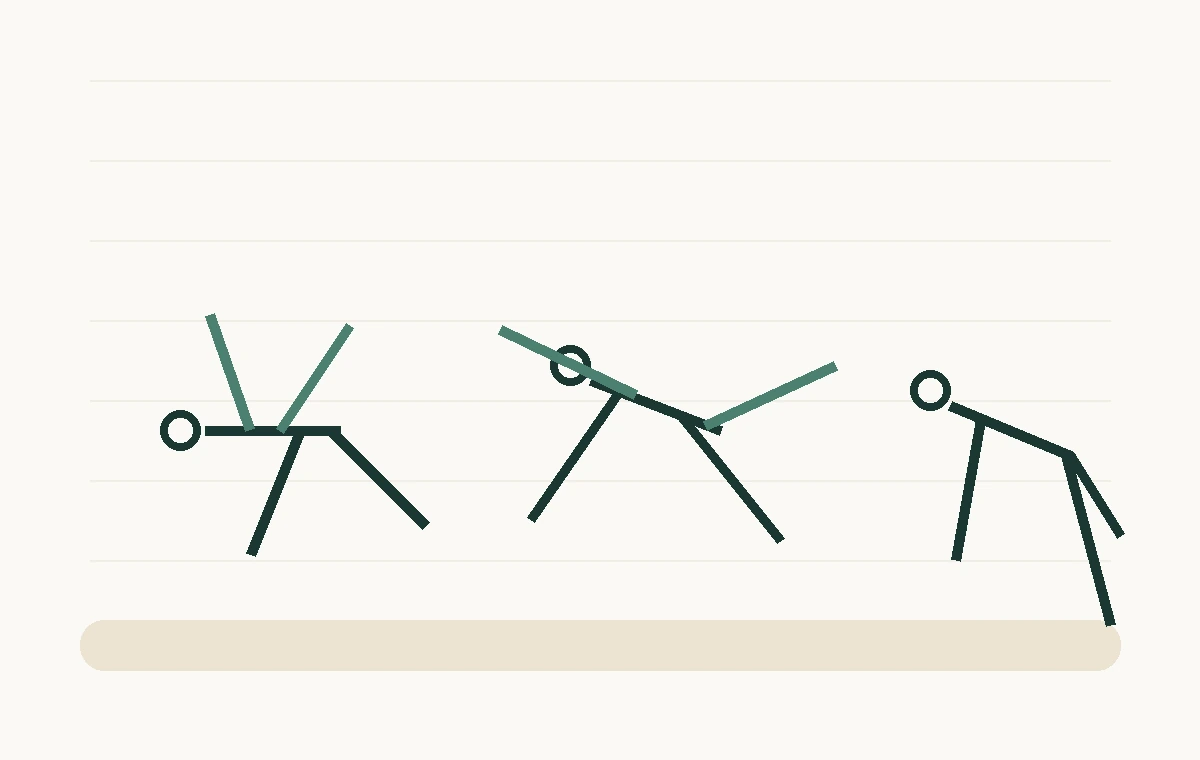
Image fit: close. The image shows a close bodyweight strength pattern used inside this workout family.
General adult education only. Stop if a movement feels sharp, unusual, or unsafe and ask a qualified professional when unsure.