learn
How to Warm Up for Home Workouts
How to Warm Up for Home Workouts for practical home training, with setup choices, mistakes, modifications, and next workout links.
Practical brief
Use This Page In Practice
How to Warm Up for Home Workouts fits a reader who needs a practical setup decision before starting a home session.
How to Warm Up for Home Workouts helps the reader handle a short warm-up that matches the session instead of draining energy. Use it before choosing a workout when setup, noise, timing, or progression is the limiting factor.
Using how to warm up for home workouts as a reason to browse more instead of solving a short warm-up that matches the session instead of draining energy. Choosing a workout after how to warm up for home workouts that still does not fit the room or setup constraint. Changing length, impact, and difficulty in the same week while trying to fix a short warm-up that matches the session instead of draining energy.
Shorten the workout when a short warm-up that matches the session instead of draining energy is mostly a time or energy constraint. Choose a lower-impact version when how to warm up for home workouts reveals noise or floor friction. Progress from how to warm up for home workouts by repeating a matching workout, then changing one setup variable at a time.
Turn the planning idea from How to Warm Up for Home Workouts into one filtered workout result.
Workout FinderHow to Warm Up for Home Workouts fails when the next action is still unclear after the setup check.
Three-Week Quiet Apartment RoutineUse this when How to Warm Up for Home Workouts has clarified the rule and the next step should be a simple session.
Beginner Bodyweight StrengthAdjust The Session
Decision guide
Use This Page When It Fits Today
How to Warm Up for Home Workouts fits a reader who needs a practical setup decision before starting a home session.
Use the setup check, then choose one workout that matches the same constraint described on this page.
Skip this page if the next workout choice is already clear and the reader only needs to start the timer.
Use the checklist for how to warm up for home workouts, then open the workout that matches the same constraint.
Best For
How to Warm Up for Home Workouts fits readers who need to solve a short warm-up that matches the session instead of draining energy before setting intensity, equipment, or workout length.
Before You Start
General adult education only. Stop if a movement feels sharp, unusual, or unsafe and ask a qualified professional when unsure.
Real-world check
Field Notes
Write the decision taken from How to Warm Up for Home Workouts, the page opened next, and the constraint that still needs a clearer answer.
How to Warm Up for Home Workouts helps when the reader needs a decision rule before choosing another workout, exercise, or program page.
Start with the first decision from the guide: How to Warm Up for Home Workouts fits readers who need to solve a short warm-up that matches the session instead of draining energy before setting intensity, equipment, or workout length. Then connect it to Workout Finder before continuing.
If the advice feels too broad, use this page-specific check instead: Start with the practical constraint: a short warm-up that matches the session instead of draining energy. A good home workout fits that constraint before it asks for more effort.
Stop reading when the next step becomes abstract; choose the simpler route and avoid this pattern: Using how to warm up for home workouts as a reason to browse more instead of solving a short warm-up that matches the session instead of draining energy.
After You Finish
Repeat the same choice when the setup decision still takes more effort than the training.
Progress from how to warm up for home workouts by repeating a matching workout, then changing one setup variable at a time.
Choose a lower-impact version when how to warm up for home workouts reveals noise or floor friction.
Log one line: A reader uses how to warm up for home workouts to choose a realistic setup, then filters for a workout that fits the same constraint.
Quick Answer
How to Warm Up for Home Workouts helps the reader handle a short warm-up that matches the session instead of draining energy. Use it before choosing a workout when setup, noise, timing, or progression is the limiting factor.
Practice Blocks
Space check, Equipment check
Confirm the room and tools before setting intensity.Easy warm-up, First main movement
Begin with the version that is most repeatable today.The first decision
Start with the practical constraint: a short warm-up that matches the session instead of draining energy. A good home workout fits that constraint before it asks for more effort.
Setup check
Clear the movement area, place gear where it will not be kicked, and choose the easiest version before the timer starts.
What to avoid
Avoid changing room layout, workout length, and movement difficulty all at once.
Next choice
Use the finder or a related workout page once the setup decision is clear.
Specific decision moment
How to Warm Up for Home Workouts is useful in a quiet morning living room when shared-room interruptions is stopping the reader from choosing a realistic first session.
Wrong-turn signal
This learn page is becoming a detour if the reader keeps comparing options after a short warm-up that matches the session instead of draining energy has already produced one workable adjustment.
Replacement route
Leave how to warm up for home workouts through the linked workout, exercise, or program that keeps the same constraint true.
Real home scenario
How to Warm Up for Home Workouts scenario: A reader is trying to make one home-training setup decision before starting. How to Warm Up for Home Workouts is useful when it turns that hesitation into a specific workout, exercise, or finder choice.
Best first version
How to Warm Up for Home Workouts should start with the easiest version that still matches the page promise. If setup takes longer than the first work block, reduce equipment, range, or duration before changing the whole plan.
What this page helps you choose
How to Warm Up for Home Workouts helps you see whether the current home constraint is realistic today. It should make the next action smaller: start the first block, practice the first movement, repeat the first week, or switch to a more realistic related page.
How to make it easier
How to Warm Up for Home Workouts gets easier by changing one lever first: shorter time, smaller range, lower impact, lighter equipment, or more rest. Changing one lever keeps the result readable and makes the next repeat easier to judge.
Next-page logic
How to Warm Up for Home Workouts next step: Use the checklist for how to warm up for home workouts, then open the workout that matches the same constraint. The related links point to the next practical choice, so the next click moves from choice to action without opening several unrelated pages.
Compare before switching
How to Warm Up for Home Workouts vs Workout Finder
How to Warm Up for Home Workouts fits a reader who needs a practical setup decision before starting a home session.
Choose Workout Finder when the reader needs a narrower, easier, quieter, or more specific next step before returning to How to Warm Up for Home Workouts.
Workout FinderHow to Warm Up for Home Workouts is better when the reader wants the full decision on this page, including setup, pacing, next step, and the reason it fits today.
Reader questions
FAQ
Use How to Warm Up for Home Workouts when the page's main constraint matches the reader's real blocker today: space, time, equipment, impact, or planning uncertainty.
Use the setup check, then choose one workout that matches the same constraint described on this page. Keep the first action small enough to finish today, then use the next link only if it answers the same constraint.
Skip this page if the next workout choice is already clear and the reader only needs to start the timer. The goal is to remove a blocker, not add another broad page to compare.
Use the checklist for how to warm up for home workouts, then open the workout that matches the same constraint. Choose one concrete workout, exercise, program, or finder state instead of opening several unrelated pages.
Source And Safety Notes
What the source informs: How to Warm Up for Home Workouts uses Mayo Clinic Fitness Basics for general fitness planning boundaries, especially where broad advice should stay conservative for home readers.
How this page uses that: How to Warm Up for Home Workouts is where HomeFit Atlas narrows the stop rule, progression limit, and alternative next page Three-Week Quiet Apartment Routine.
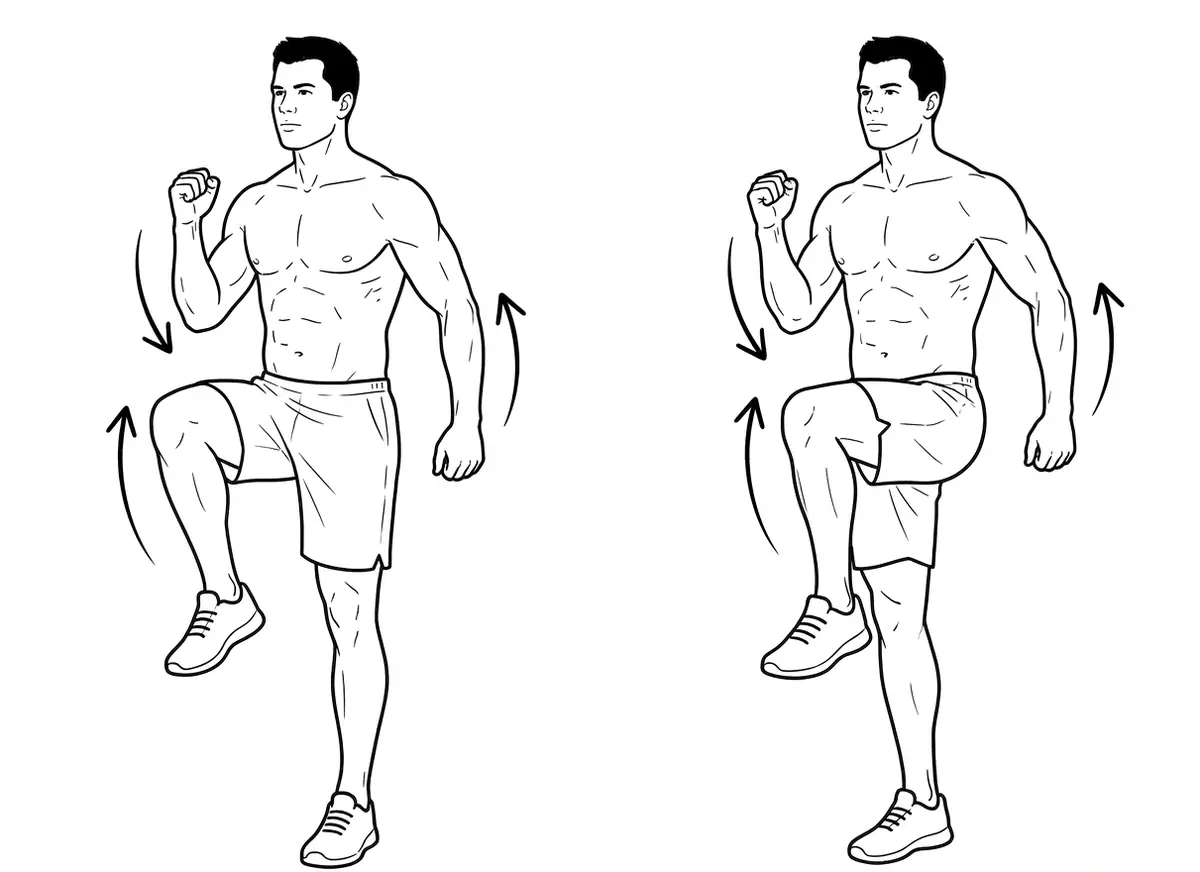
Image fit: close. The learning guide uses a close movement-pattern image while the text carries the exact planning rule.
General adult education only. Stop if a movement feels sharp, unusual, or unsafe and ask a qualified professional when unsure.