learn
How to Check a Chair Before Supported Home Exercise
How to Check a Chair Before Supported Home Exercise for practical home training, with setup choices, mistakes, modifications, and next workout links.
Practical brief
Use This Page In Practice
How to Check a Chair Before Supported Home Exercise fits a reader who needs a practical setup decision before starting a home session.
How to Check a Chair Before Supported Home Exercise helps the reader handle chair stability, floor contact, clearance, and a controlled first repetition. Use it before choosing a workout when setup, noise, timing, or progression is the limiting factor.
Using how to check a chair before supported home exercise as a reason to browse more instead of solving chair stability, floor contact, clearance, and a controlled first repetition. Choosing a workout after how to check a chair before supported home exercise that still does not fit the room or setup constraint. Changing length, impact, and difficulty in the same week while trying to fix chair stability, floor contact, clearance, and a controlled first repetition.
Shorten the workout when chair stability, floor contact, clearance, and a controlled first repetition is mostly a time or energy constraint. Choose a lower-impact version when how to check a chair before supported home exercise reveals noise or floor friction. Progress from how to check a chair before supported home exercise by repeating a matching workout, then changing one setup variable at a time.
Turn the planning idea from How to Check a Chair Before Supported Home Exercise into one filtered workout result.
Workout FinderHow to Check a Chair Before Supported Home Exercise fails when the next action is still unclear after the setup check.
Two-Week Core and Mobility ResetUse Small Room Workout Layout when How to Check a Chair Before Supported Home Exercise almost fits but the next constraint needs a different route before training starts.
Small Room Workout LayoutAdjust The Session
Decision guide
Use This Page When It Fits Today
How to Check a Chair Before Supported Home Exercise fits a reader who needs a practical setup decision before starting a home session.
Use the setup check, then choose one workout that matches the same constraint described on this page.
Skip this page if the next workout choice is already clear and the reader only needs to start the timer.
Use the checklist for how to check a chair before supported home exercise, then open the workout that matches the same constraint.
Best For
How to Check a Chair Before Supported Home Exercise fits readers who need to solve chair stability, floor contact, clearance, and a controlled first repetition before setting intensity, equipment, or workout length.
Before You Start
General adult education only. Stop if a movement feels sharp, unusual, or unsafe and ask a qualified professional when unsure.
Real-world check
Field Notes
Write the decision taken from How to Check a Chair Before Supported Home Exercise, the page opened next, and the constraint that still needs a clearer answer.
How to Check a Chair Before Supported Home Exercise helps when the reader needs a decision rule before choosing another workout, exercise, or program page.
Start with the first decision from the guide: How to Check a Chair Before Supported Home Exercise fits readers who need to solve chair stability, floor contact, clearance, and a controlled first repetition before setting intensity, equipment, or workout length. Then connect it to Workout Finder before continuing.
If the advice feels too broad, use this page-specific check instead: Start with the practical constraint: chair stability, floor contact, clearance, and a controlled first repetition. A good home workout fits that constraint before it asks for more effort.
Stop reading when the next step becomes abstract; choose the simpler route and avoid this pattern: Using how to check a chair before supported home exercise as a reason to browse more instead of solving chair stability, floor contact, clearance, and a controlled first repetition.
After You Finish
Repeat the same choice when the setup decision still takes more effort than the training.
Progress from how to check a chair before supported home exercise by repeating a matching workout, then changing one setup variable at a time.
Choose a lower-impact version when how to check a chair before supported home exercise reveals noise or floor friction.
Log one line: A reader uses how to check a chair before supported home exercise to choose a realistic setup, then filters for a workout that fits the same constraint.
Check seven chair and floor details before supported home exercise
A chair is useful support only when its frame, feet, placement, clearance, and first repetition stay stable.
The guidance and links below were last updated July 18, 2026.| Check | What supports the setup | Stop or change when |
|---|---|---|
| Chair design | A rigid chair without wheels, swivel, or folding movement is used | The chair rolls, swivels, rocks, folds, or is damaged |
| Frame and seat | Joints, back, seat, and legs feel firm under ordinary hand pressure | A joint moves, cracks, bends, or feels loose |
| Floor contact | All feet contact a dry, level, non-sliding surface | A foot lifts or the chair slides on the floor |
| Placement | The chair has clear space and cannot tip into furniture | The setup depends on a wall pinning an unsuitable chair |
| Hand position | Hands can use light support without pulling the chair sideways | Balance depends on gripping or dragging the chair |
| First repetition | The easiest range stays slow and controlled | The chair shifts or the movement cannot be stopped smoothly |
| Stop boundary | The user stops for loss of control or a concerning symptom | The plan requires training through pain, dizziness, or instability |
- Use purpose-built stable support when available.
- Test the easiest repetition before increasing range or pace.
- Ask a qualified professional about symptoms, rehabilitation, or individual clearance.
Safety boundary: This checklist is general adult exercise education. It does not provide medical clearance, diagnose balance or joint problems, prescribe rehabilitation, or guarantee that furniture is exercise equipment.
Quick Answer
How to Check a Chair Before Supported Home Exercise helps the reader handle chair stability, floor contact, clearance, and a controlled first repetition. Use it before choosing a workout when setup, noise, timing, or progression is the limiting factor.
Practice Blocks
Space check, Equipment check
Confirm the room and tools before setting intensity.Easy warm-up, First main movement
Begin with the version that is most repeatable today.The first decision
Start with the practical constraint: chair stability, floor contact, clearance, and a controlled first repetition. A good home workout fits that constraint before it asks for more effort.
Setup check
Clear the movement area, place gear where it will not be kicked, and choose the easiest version before the timer starts.
What to avoid
Avoid changing room layout, workout length, and movement difficulty all at once.
Next choice
Use the finder or a related workout page once the setup decision is clear.
Specific decision moment
How to Check a Chair Before Supported Home Exercise is useful in a small room where furniture cannot move when shared-room interruptions is stopping the reader from choosing a realistic first session.
Wrong-turn signal
This learn page is becoming a detour if the reader keeps comparing options after chair stability, floor contact, clearance, and a controlled first repetition has already produced one workable adjustment.
Replacement route
Leave how to check a chair before supported home exercise through the linked workout, exercise, or program that keeps the same constraint true.
Real home scenario
How to Check a Chair Before Supported Home Exercise scenario: A reader is trying to make one home-training setup decision before starting. How to Check a Chair Before Supported Home Exercise is useful when it turns that hesitation into a specific workout, exercise, or finder choice.
Best first version
How to Check a Chair Before Supported Home Exercise should start with the easiest version that still matches the page promise. If setup takes longer than the first work block, reduce equipment, range, or duration before changing the whole plan.
What this page decides
How to Check a Chair Before Supported Home Exercise decides whether the current home constraint is realistic today. It should make the next action smaller: start the first block, practice the first movement, repeat the first week, or switch to a more realistic related page.
How to make it easier
How to Check a Chair Before Supported Home Exercise gets easier by changing one lever first: shorter time, smaller range, lower impact, lighter equipment, or more rest. Changing one lever keeps the result readable and makes the next repeat easier to judge.
Next-page logic
How to Check a Chair Before Supported Home Exercise next step: Use the checklist for how to check a chair before supported home exercise, then open the workout that matches the same constraint. The related links point to the next practical decision, so the next click moves from choice to action without opening several unrelated pages.
Compare before switching
How to Check a Chair Before Supported Home Exercise vs Workout Finder
How to Check a Chair Before Supported Home Exercise fits a reader who needs a practical setup decision before starting a home session.
Choose Workout Finder when the reader needs a narrower, easier, quieter, or more specific next step before returning to How to Check a Chair Before Supported Home Exercise.
Workout FinderHow to Check a Chair Before Supported Home Exercise is better when the reader wants the full decision on this page, including setup, pacing, next step, and the reason it fits today.
Reader questions
FAQ
Use How to Check a Chair Before Supported Home Exercise when the page's main constraint matches the reader's real blocker today: space, time, equipment, impact, or planning uncertainty.
Use the setup check, then choose one workout that matches the same constraint described on this page. Keep the first action small enough to finish today, then use the next link only if it answers the same constraint.
Skip this page if the next workout choice is already clear and the reader only needs to start the timer. The goal is to remove a blocker, not add another broad page to compare.
Use the checklist for how to check a chair before supported home exercise, then open the workout that matches the same constraint. Choose one concrete workout, exercise, program, or finder state instead of opening several unrelated pages.
Source And Safety Notes
What the source informs: How to Check a Chair Before Supported Home Exercise uses Mayo Clinic Fitness Basics for general fitness planning boundaries, especially where broad advice should stay conservative for home readers.
What HomeFit Atlas decides: How to Check a Chair Before Supported Home Exercise is where HomeFit Atlas decides one next choice: Two-Week Core and Mobility Reset, a stop rule, and a progression boundary visible on the page.
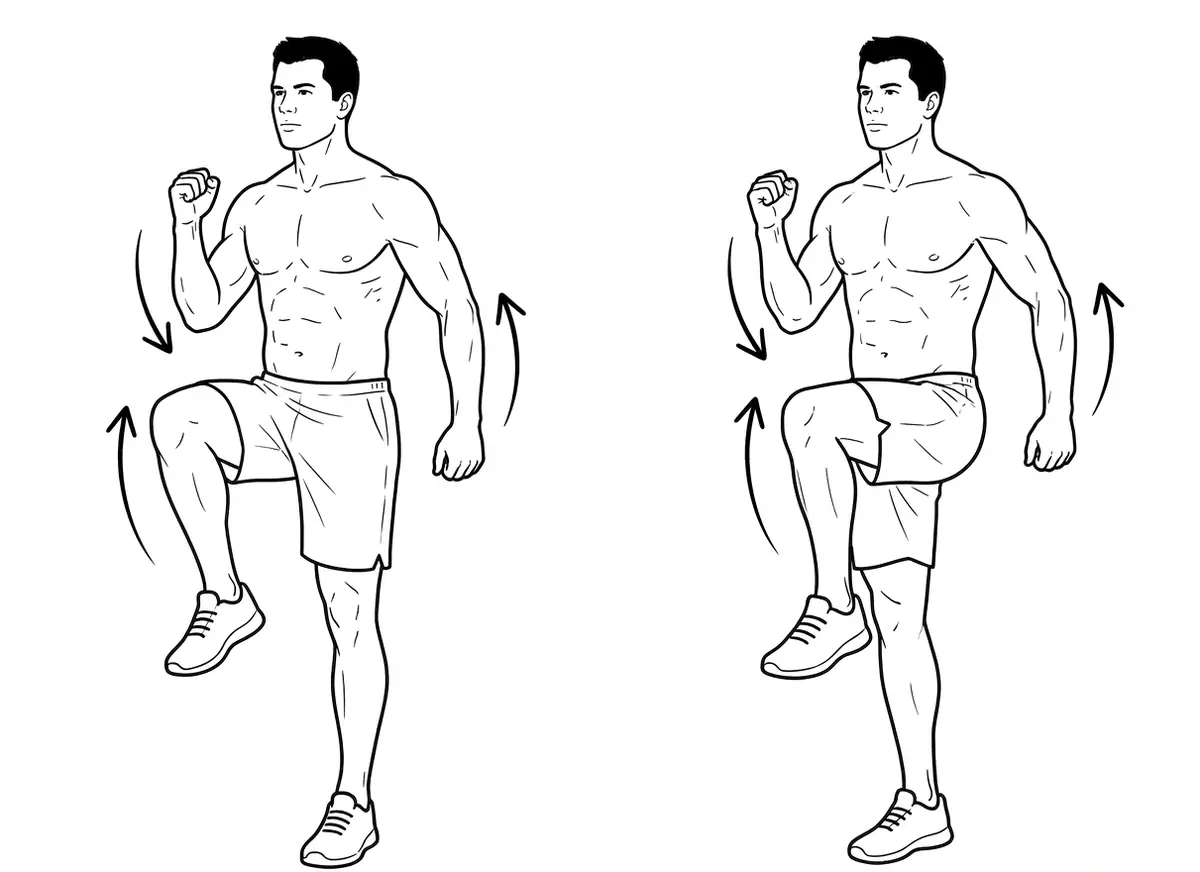
Image fit: close. The learning guide uses a close movement-pattern image while the text carries the exact planning rule.
General adult education only. Stop if a movement feels sharp, unusual, or unsafe and ask a qualified professional when unsure.